Key takeaways
- Search demand comes first (before operator lobby presence).
- Gameplay holds coverage longer than RTP, per the 2026 ranking data.
- Demo availability is a threshold. No accessible demo, and a slot is harder to feature.
- Provider brand gives established names an uneven head start.
Affiliate publishers decide which slots to feature across six overlapping factors: search demand, player engagement, provider brand, demo availability, the balance of new releases against evergreen titles, and the indirect pull of commercial operator deals. Each carries different weight for a large review network than for a niche slot blog.
Why does search demand come first?
For most affiliates, organic search is the commercial engine and a review of a title no one searches for returns almost nothing, particularly prior to launch and operator lobby position is established. A game with existing player recognition pulls coverage on its own; a newer studio’s title has no organic, pre-operator lobby pull until it builds a search reputation, so early coverage is deliberate rather than automatic. The same SEO pressure we have written about from the publisher’s side makes publishers selective about which games earn the effort.
Is a high RTP the deciding factor?
Less than studios assume. RTP is a field players look for, so reviews include it, but 2026 slot ranking data shows the games climbing affiliate rankings cluster around standard returns of roughly 96 to 96.5 per cent, not at the high-RTP end. What separates them is gameplay, not payout: bonus loops that give a goal on each spin, and visible feature triggers.
One scope note for Great Britain. Online slots there carry a maximum stake of £5 per spin for players aged 25 and over and £2 for those aged 18 to 24, under the Gambling Commission’s 2025 stake limits. Separately, and for longer, bonus-buy features that let a player pay to trigger the bonus round are prohibited for Commission-licensed operators under its technical standards. A game built around bonus buy cannot be offered to British players at all, so affiliates producing British-facing content will not feature it. These are British rules and do not apply automatically elsewhere.
Does provider brand matter?
More than studios would like. Covering established names such as Pragmatic Play, Play’n GO and NetEnt is lower effort because the demand already exists. Smaller studios start from behind and must earn organic demand rather than inherit it. This is a structural effect, not a judgement on quality.
Why demo availability is a threshold
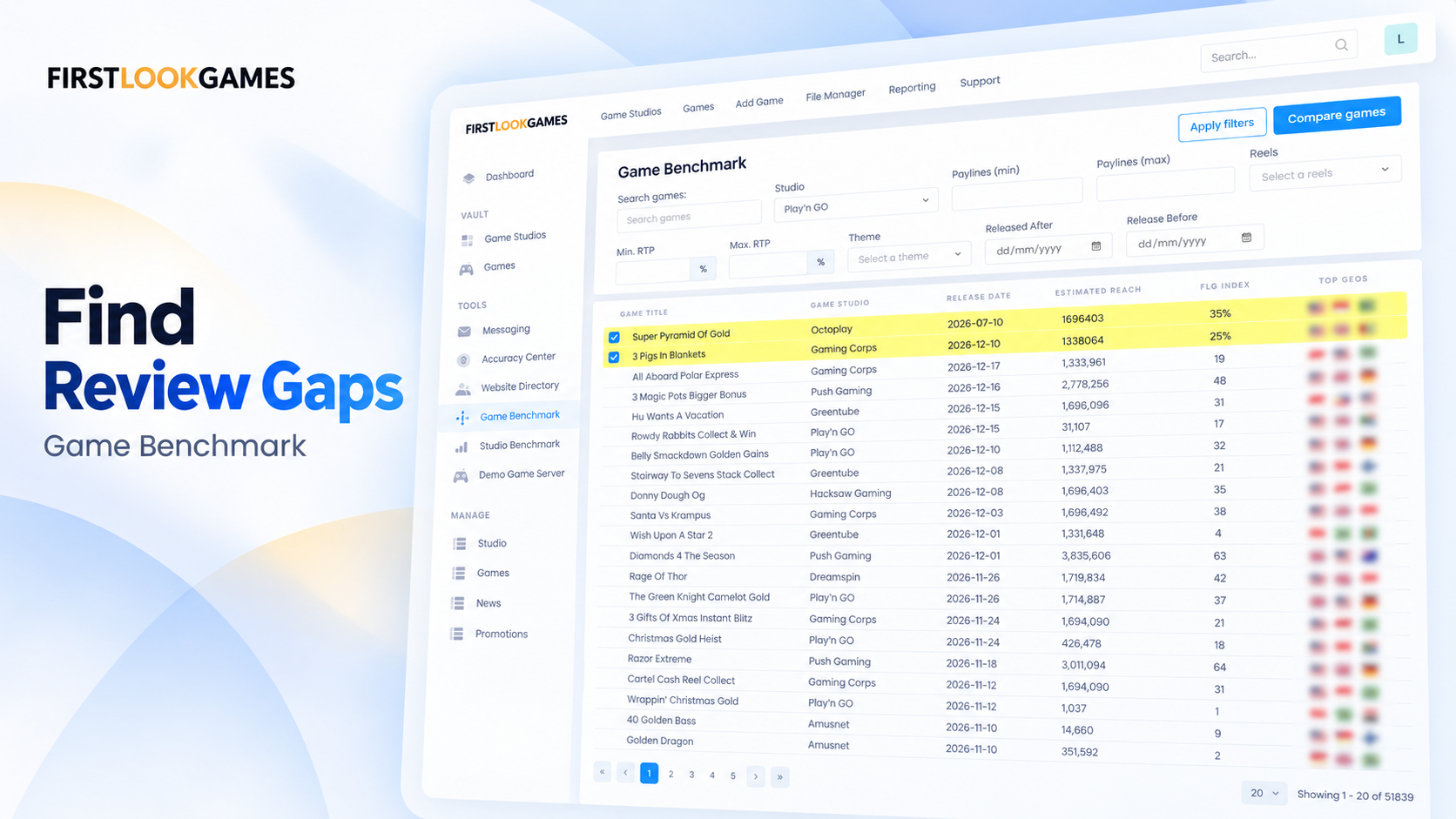
Embedding a free-play demo is standard practice, and a slot without an accessible one is harder to feature. That is production friction, not a verdict on the game. First Look Games operates a demo game discovery engine: publishers registered on a First Look Games account can discover free-play demos of studios’ games directly, removing this friction at the moment a reviewer is deciding what to cover.
New releases or evergreen titles?
Affiliate content runs on two lanes. New-release reviews capture early search interest; evergreen titles carry sustained long-tail traffic. With dozens of new games appearing weekly, no affiliate covers everything, so they select against demand signals. For a studio, getting an initial review at launch and holding coverage months later are two different problems.
What does this mean for studios?
Most of what goes wrong is self-inflicted and fixable: a missing demo, incorrect RTP or outdated reel and payline data on the review page, a launch with neither search demand nor outreach. Commercial deals play a part too, but indirectly. They sit at the operator level, so a studio benefits when its games are carried by the casinos an affiliate already promotes, not through paying for coverage directly.
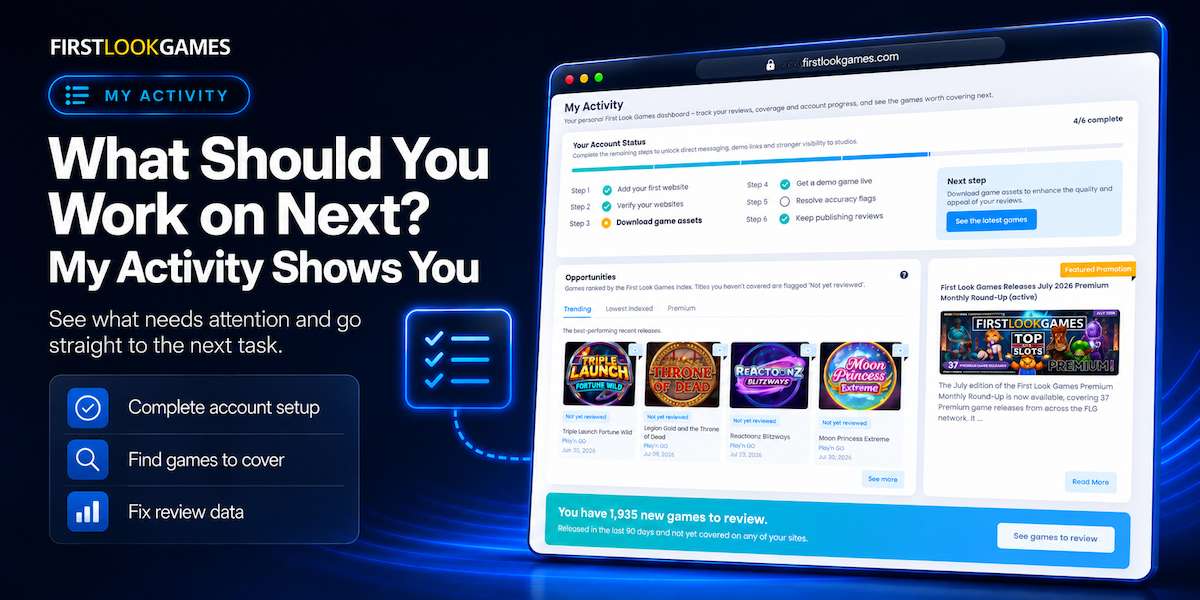
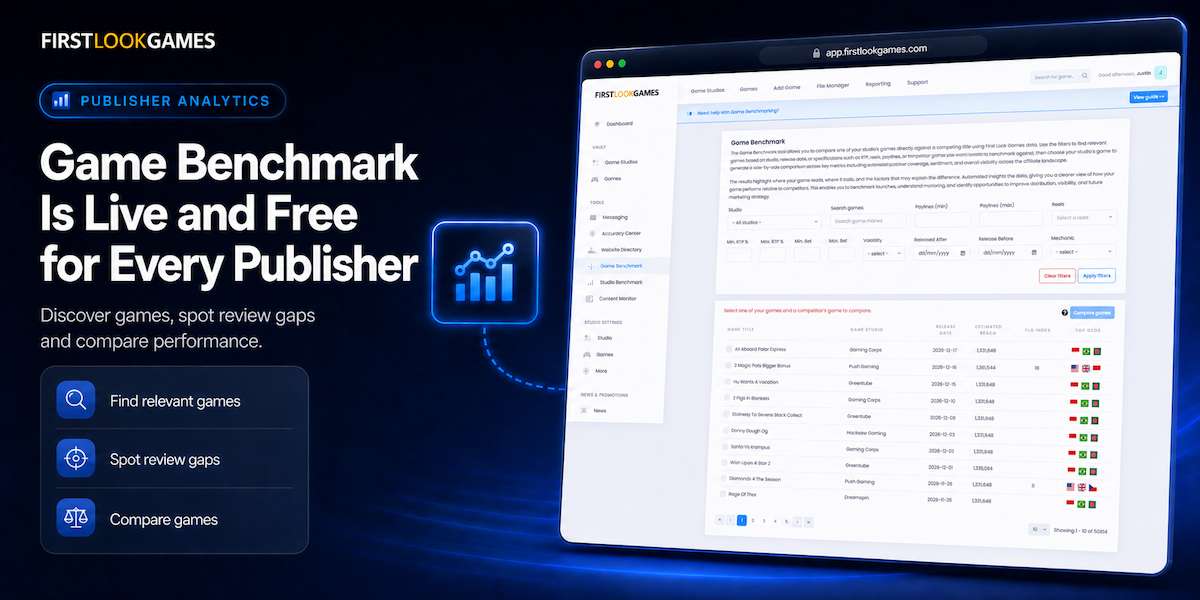
This is the gap First Look Games is built to close. The platform helps studios understand and act on how their games are represented across the affiliate publisher landscape. Content Monitor shows where a studio’s games appear in search-visible coverage, and Accuracy Management flags incorrect RTP, reels and paylines on publisher pages so they can be corrected. Enterprise studios can also see which publishers cover which games and message the ones that matter. First Look Games indexes the ecosystem independently of who has joined, and it does not control rankings or guarantee coverage. All of this sits within a regulated framework, with responsible gambling behind it.
Frequently asked questions
Does a higher RTP guarantee more affiliate coverage?
No. RTP is a data field affiliates include because players look for it, but the 2026 ranking data shows the most-featured games sit in standard return ranges rather than at the high-RTP end. Gameplay engagement drives sustained coverage more than the payout percentage.
What can a studio do to improve its chances of getting covered?
Make demos easy to reach, keep game data accurate and complete, in particular RTP, reels and paylines, and time a launch to meet any existing player demand. Targeting publishers whose audience suits the game works better than broad outreach.