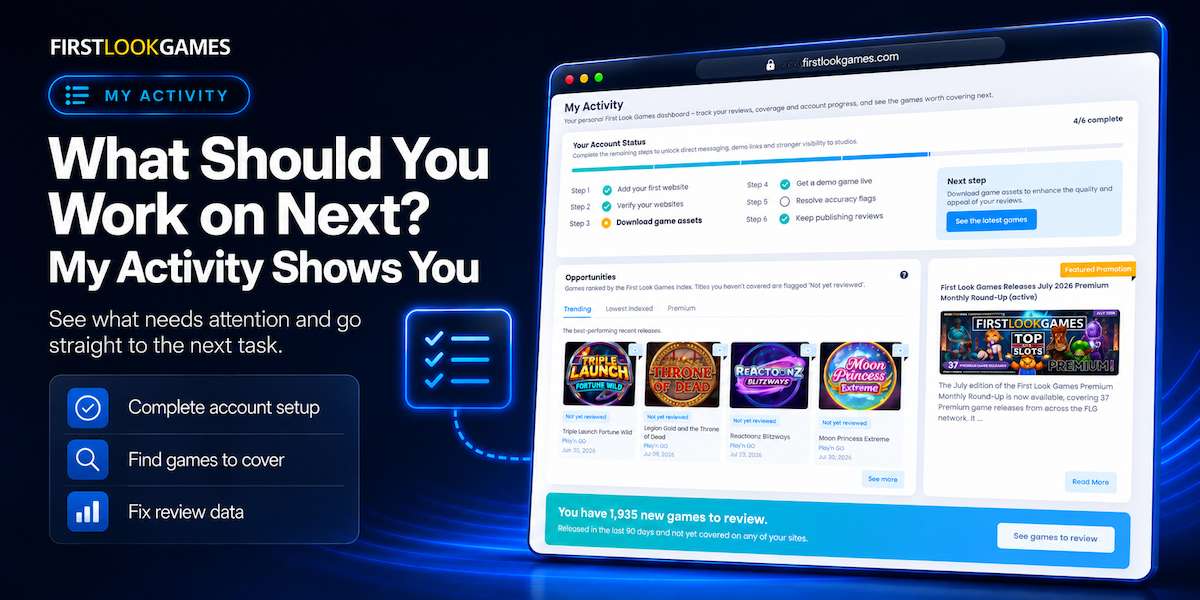
Learn how to complete your FLG account setup, verify your websites and use the Account Status timeline to improve what studios can see about your publishing activity
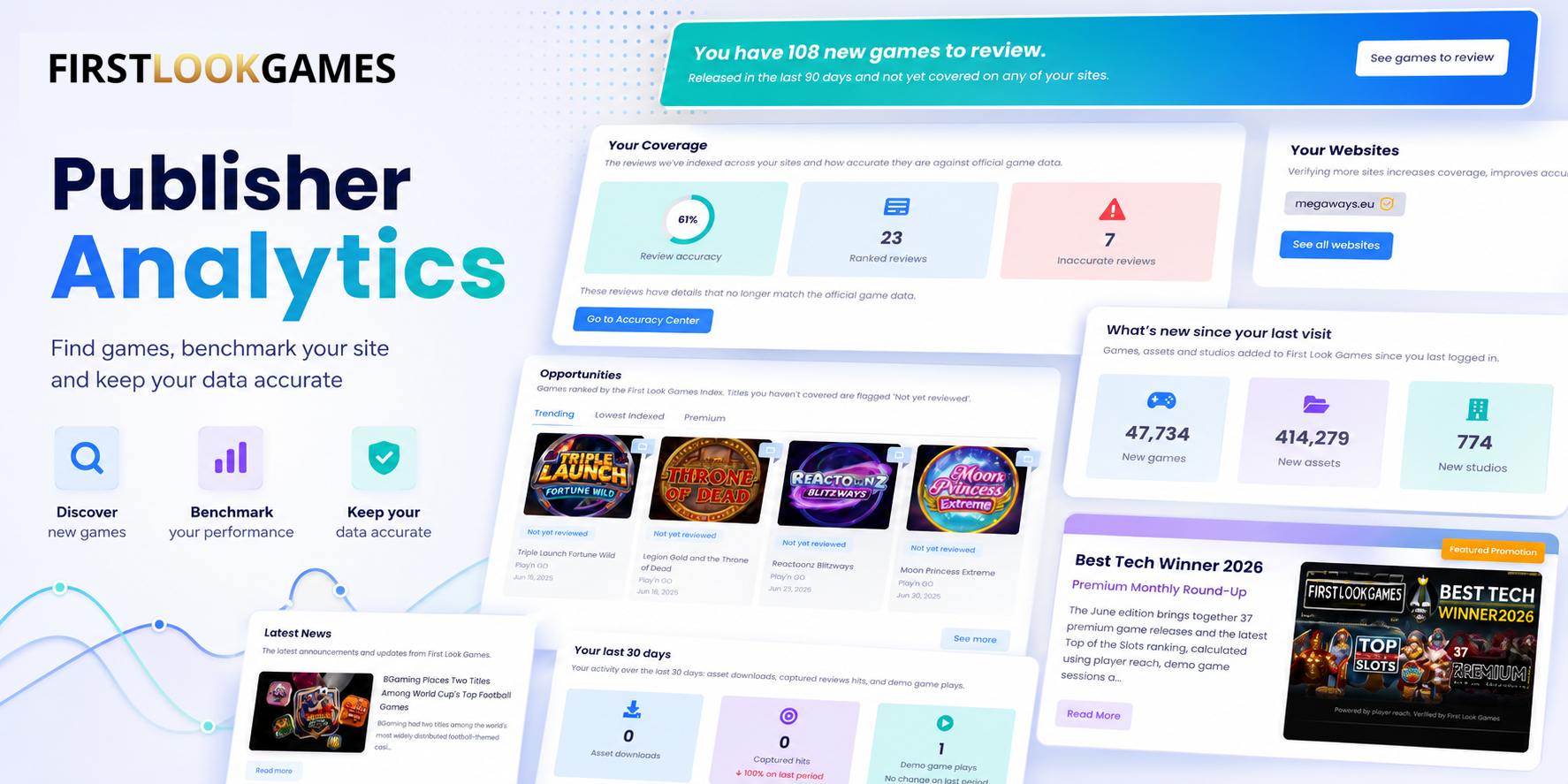
A publisher's week runs on a handful of small decisions: which games to cover next, which of your own pages need fixing, and whether your account is set up to get everything First Look Games offers. Each of those answers...
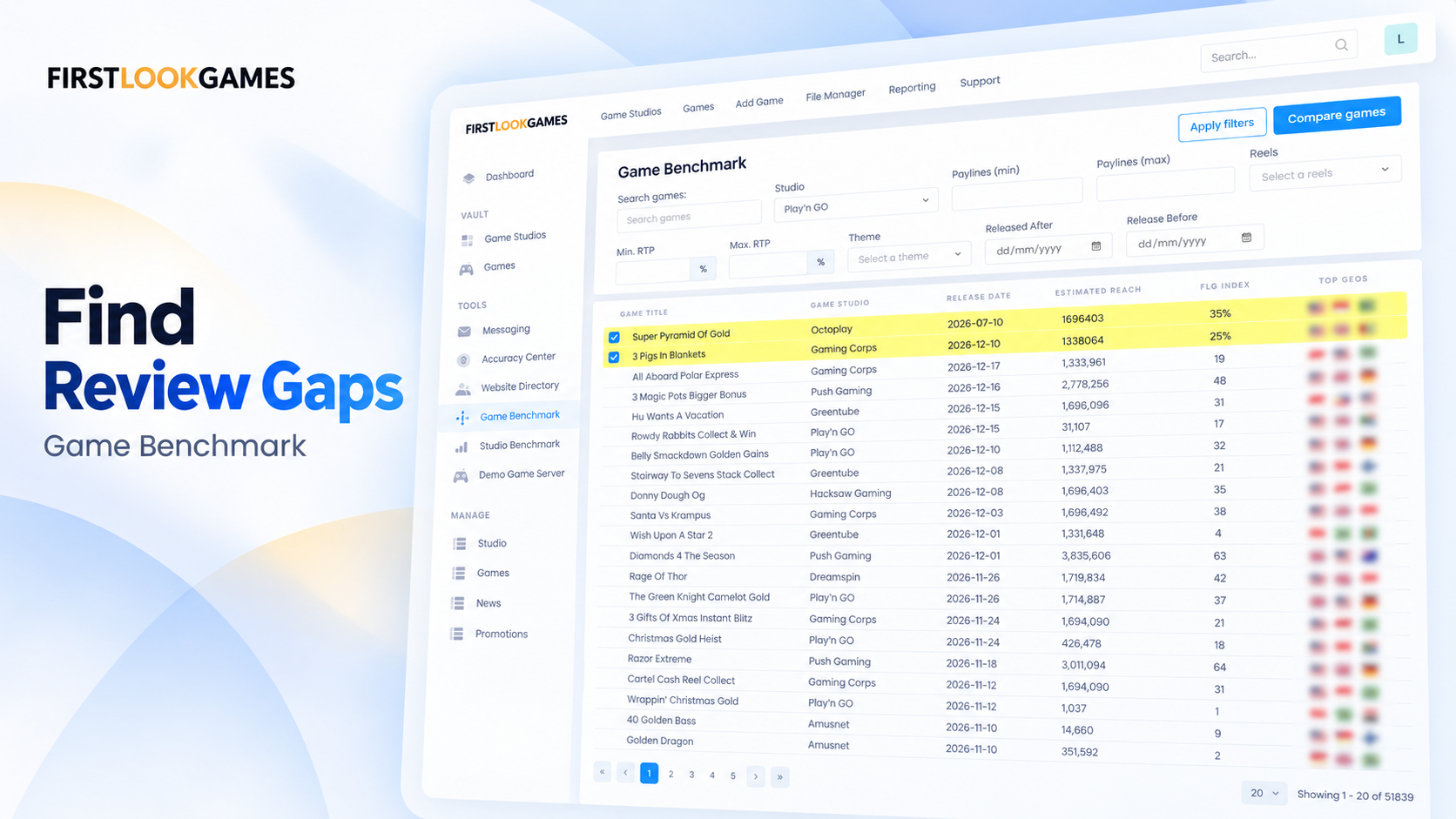
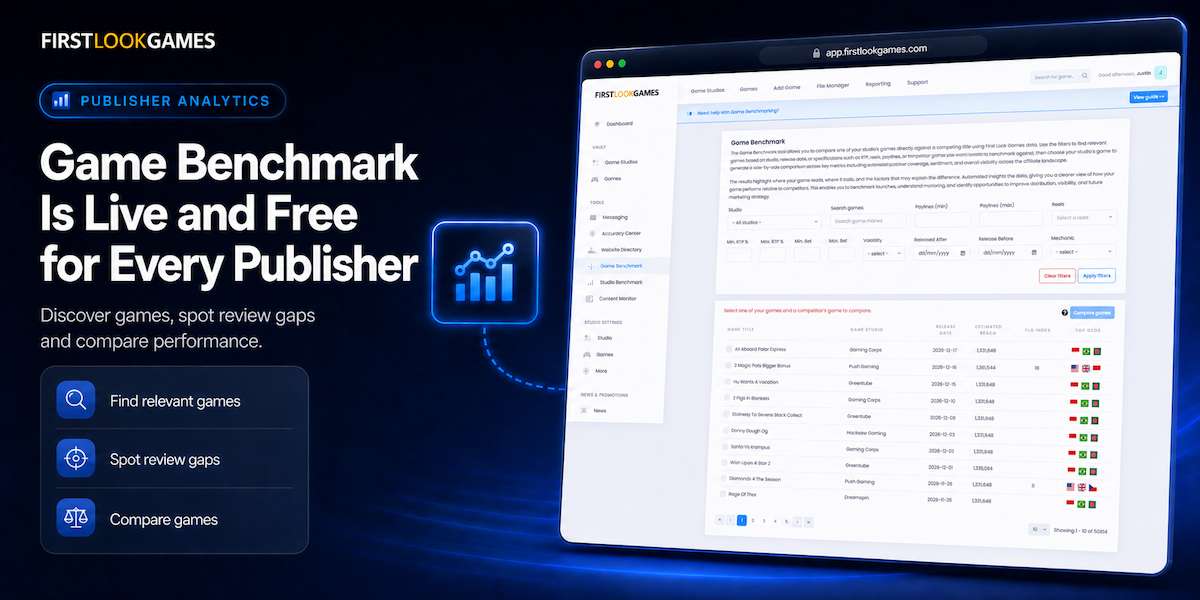
At the centre of Publisher Analytics is Game Benchmarking, built around one of the most common questions publishers face: which game should we review next?
Choosing what to review is rarely an easy call. Between studio outreach and the games your readers already know, it can be hard to see which titles to look into next and where your own site stands. First Look Games...
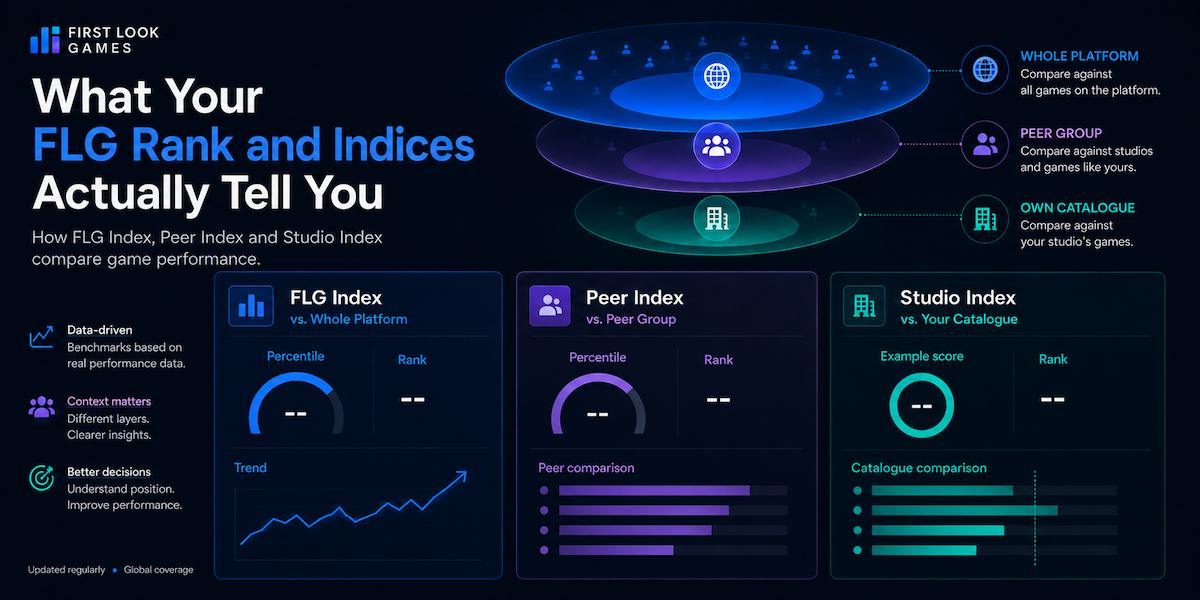
A studio logs into First Look Games and sees six different numbers describing where a game stands: FLG Index, Peer Index, Studio Index, FLG Rank, Peer Rank, Studio Rank.
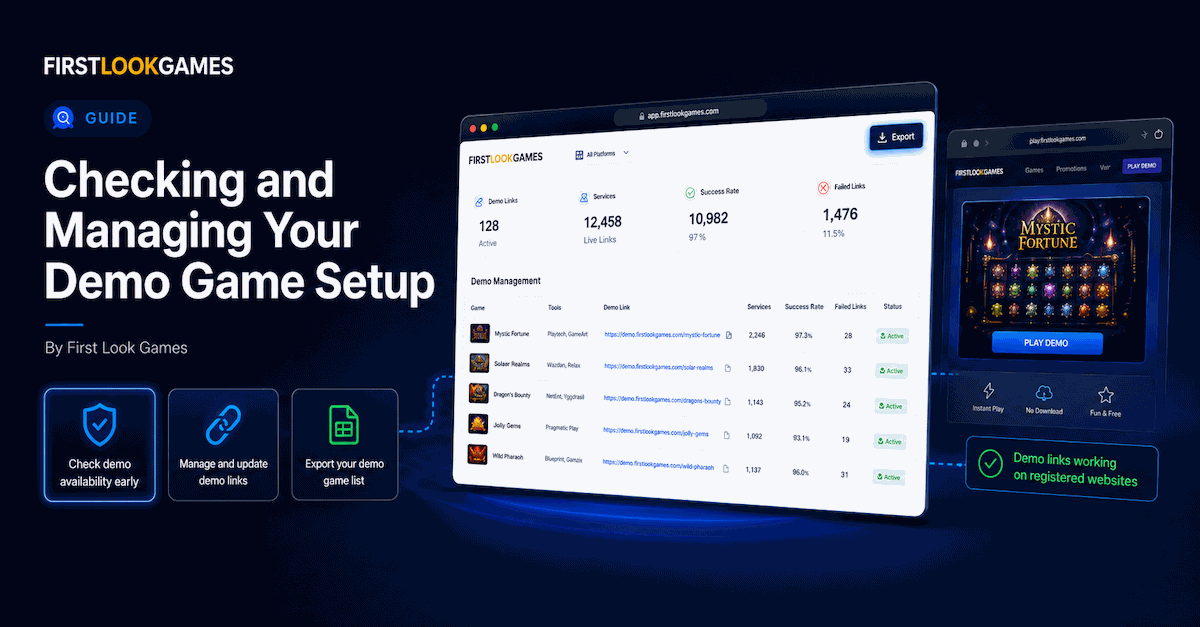
A demo is easy to set up and then forget. You add the embed code, the game loads, and you move on to the next review. Whether a given game even has a demo is left to chance.
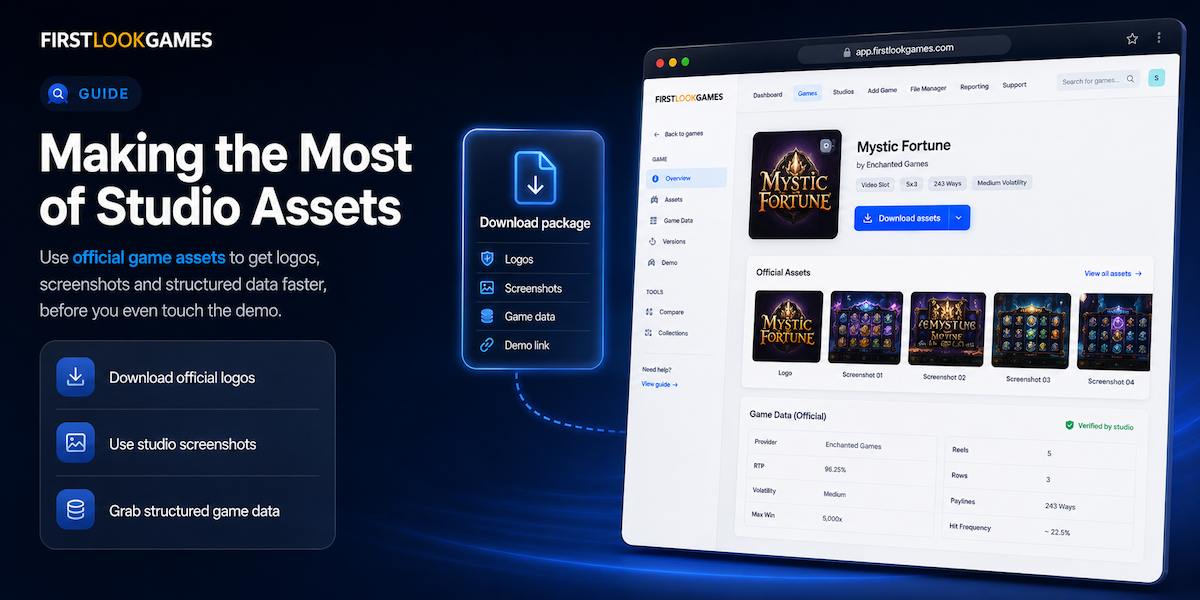
A lot of publishers arrive at a game's FLG page and head straight for the demo – but the demo is the hardest thing to integrate. Before you get to embedding a playable game, there are assets and structured game...
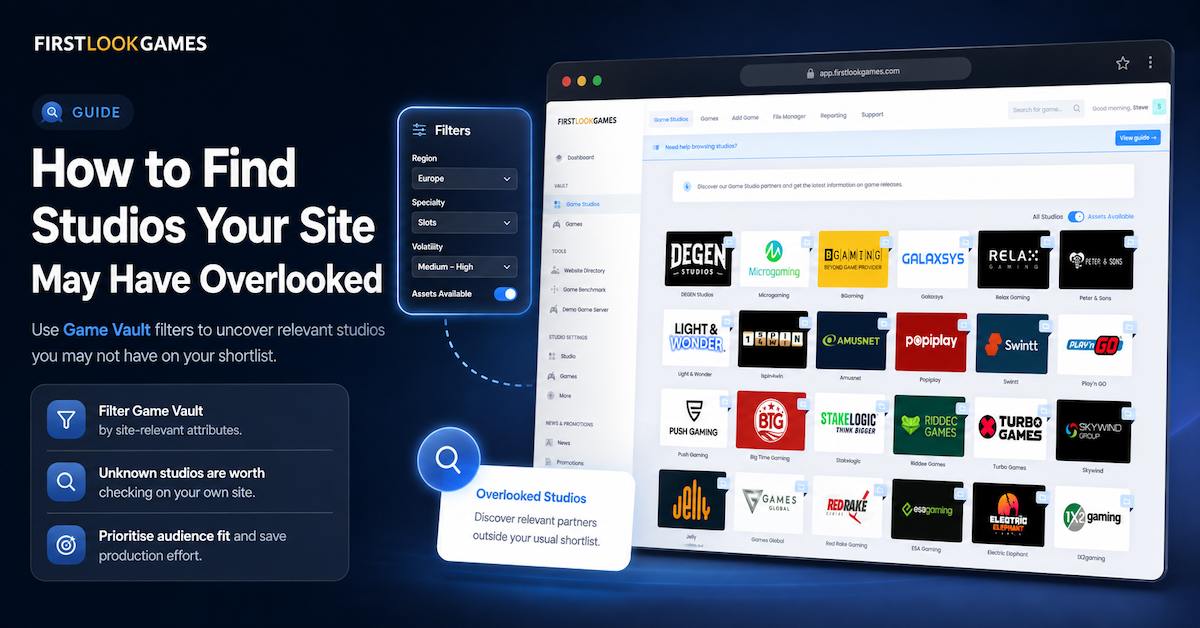
Most publishers have a mental list of the studios they cover. It is usually built from habit: the studios that email regularly, the ones whose games perform well, the names that appear on competitor sites.