Key takeaways
- A pre-launch checklist catches missing assets, incorrect data and absent demos before they cost you publisher coverage.
- Early coverage signals show which publishers are already interested, so you know where to focus.
- FLG does not predict launch performance. It shows what publishers can see right now.
A game launches in three weeks. The slot reservation, the press release and the operator integration are all in progress. Marketing has a campaign plan. Nobody has checked what publishers can actually see.
Some publishers begin preparing game coverage days or weeks before launch. They look at the assets available, the game data and whether a demo is live. Missing or outdated information creates extra work and may delay coverage. The studio may not discover the gap until a week after launch, when someone asks why nobody covered it.
Why the current way falls short
We often see pre-launch checks spread across spreadsheets, messages and different teams. Someone is meant to check that the game sheet is uploaded, the logo is there, the demo is working. Things get missed.
The spreadsheet does not tell you whether a publisher has already written about the game. It does not flag incorrect RTP or reel data on an early review. A gap caught after launch is harder to fix than one caught three weeks before.
What FLG shows you
FLG lets you check six things:
First, verify your game data. The release date, RTP, paylines, reel configuration and feature list must be current. Publishers pull this data to build review pages. If the RTP on your game sheet differs from what is on the operator’s site, a publisher may use either value, and the wrong one can persist for months.
Second, confirm the demo is uploaded and playable. Content Monitor shows whether publisher pages already reference the game. A broken F2P demo game creates avoidable friction for a publisher preparing coverage. Load it yourself. Check it on desktop and mobile.
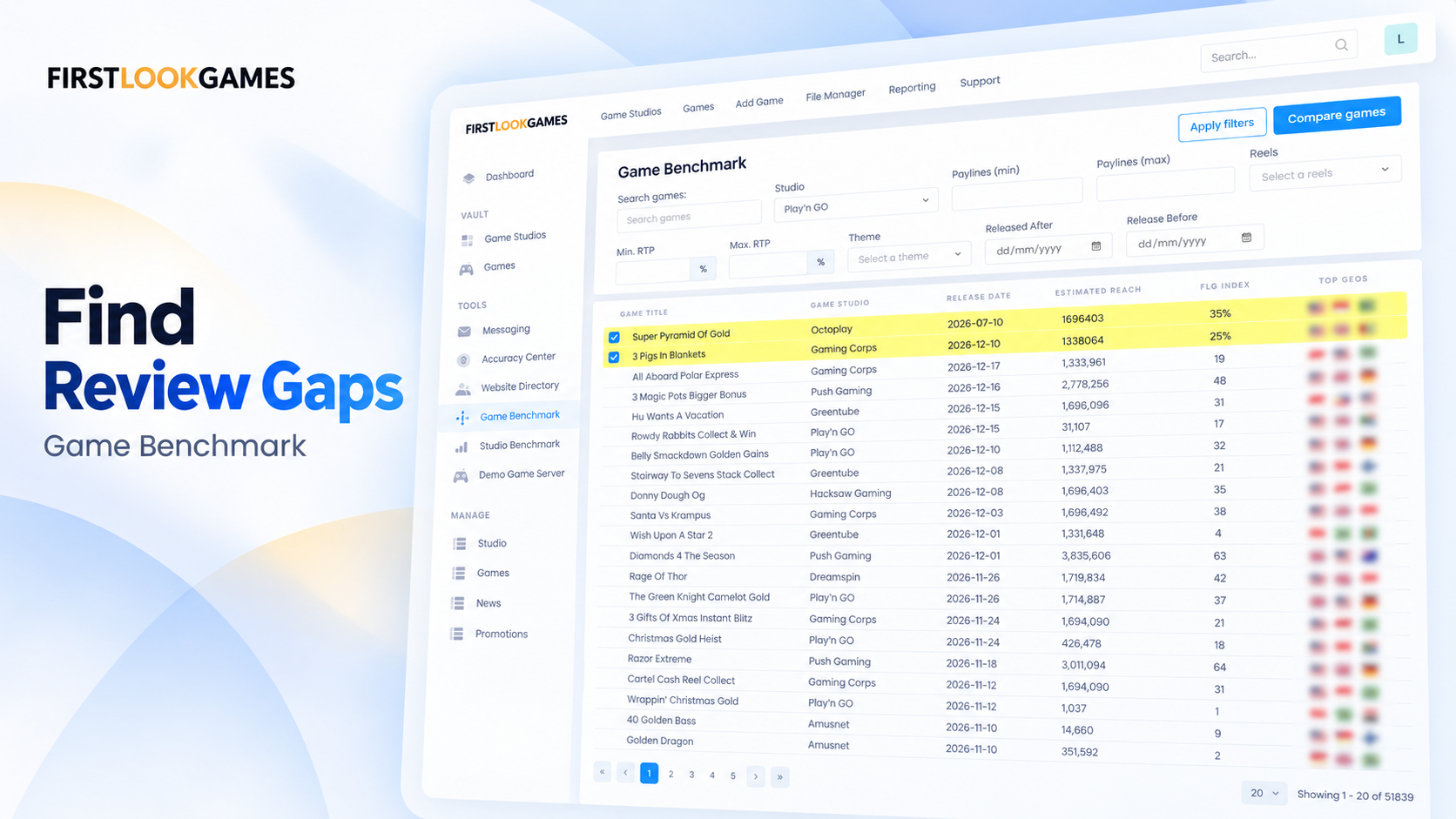
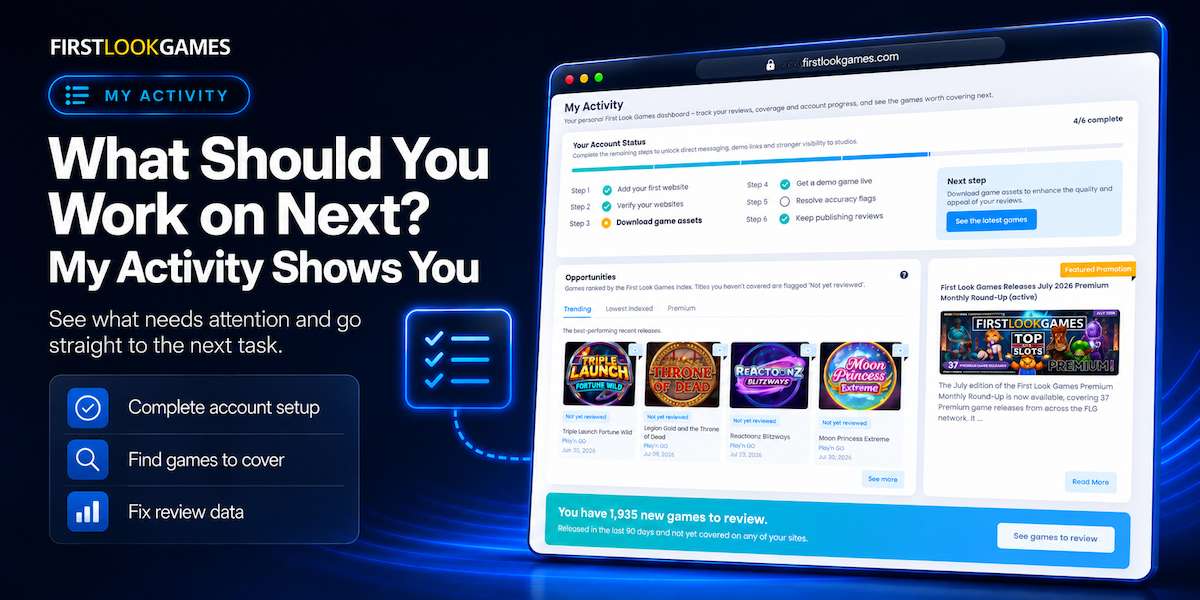
Third, check your asset library. Publishers need a logo with a transparent background, screenshots showing gameplay rather than loading screens, and structured game data in a game sheet. Ask: if a publisher visited your FLG studio page today, would they find everything they need to build a review in thirty minutes?
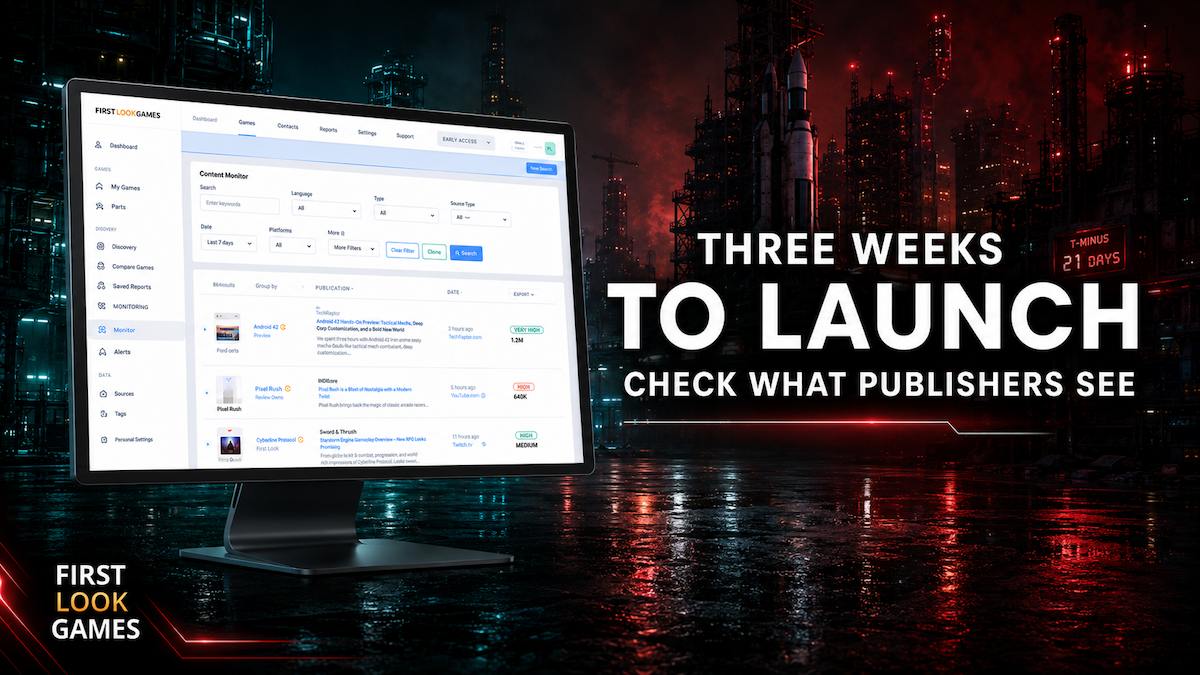
Fourth, review early coverage signals. Content Monitor shows indexed publisher pages that already mention the game. Some publishers cover upcoming releases early. If a page exists, note the publisher, the content type, the market, and the sentiment. This tells you who is already paying attention, and where.
Fifth, check the Accuracy Centre for incorrect game data. It flags RTP, reel, and payline errors on publisher pages. A pre-launch error is easier to correct than one that has been live for six months. If you see a flag, verify it, then contact the publisher.
Sixth, confirm your target publishers are active and contactable. Publisher profiles show which publishers are reachable through FLG, what markets they serve, and what types of games they cover. Check that your own asset library is complete and current – studios are responsible for their uploaded assets, and FLG does not track which publishers have accessed them.
What this does not do
This checklist helps you identify problems before launch. It does not guarantee publisher coverage. A complete profile, correct data and a working demo remove avoidable barriers. Publisher decisions depend on factors FLG cannot see: editorial calendars, operator deals, competitor releases, and player demand.
Content Monitor covers FLG’s curated list of iGaming publisher sites. A quiet pre-launch does not mean a quiet launch. Some publishers only cover games after release. The absence of early coverage is not, on its own, a warning sign.
The release date field depends on you keeping your game data current. If the date is wrong, FLG cannot correct it.
FAQs
What if we have no pre-launch coverage at all?
That is normal. Many publishers only cover games after release. A quiet pre-launch means your game has not been picked up early. It does not mean your launch will be quiet. Use the time to verify your game data, assets, and demo are ready.
Does FLG tell me which publishers will cover my game?
No. FLG shows which indexed publisher pages already mention the game, which publishers are active on the platform, and which cover comparable titles. It cannot predict which publishers will pick up a new release.
Next steps
Open your FLG studio dashboard. Check your next game’s release date, game data and F2P demo against the six points above.